At 5:30, the entryway often has a lot to say: a tote on the floor, shoes kicked toward the wall, keys somewhere under the mail. The answer isn’t necessarily more storage. It’s giving the few things that arrive every day a predictable place to go.
Start With What Lands There
For a week, notice what actually comes through the door. A household with backpacks and sports gear needs a different setup from one that mainly needs a spot for keys, a dog lead, and reusable shopping bags.
Clear the area, then return only the items used regularly. Keep occasional-use things elsewhere; a drop zone works best when it doesn’t have to accommodate every object that might be useful someday.
Make Each Landing Spot Obvious
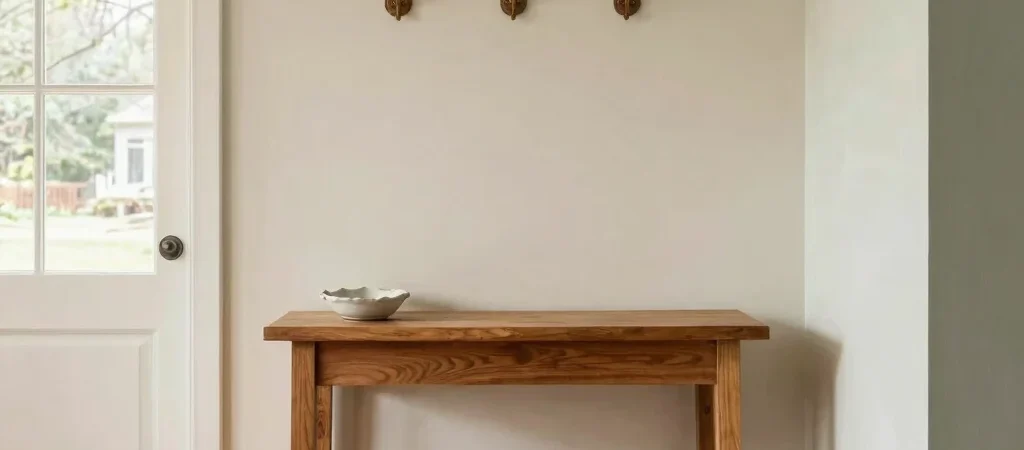
A shallow tray can collect keys and sunglasses without taking over a console. Hooks at a reachable height help coats and bags get off the floor, while a mat or small shoe tray makes the boundary for outdoor footwear easy to see.
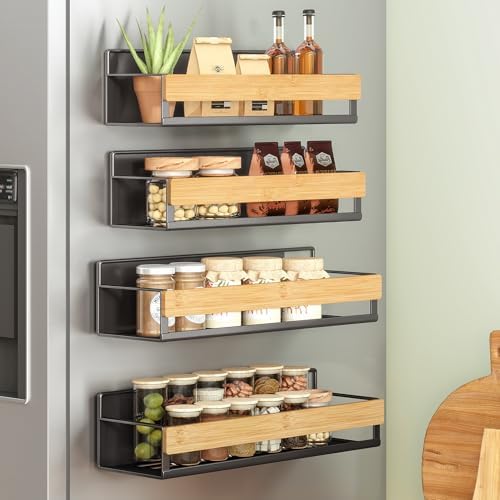
In a narrow hall, use the wall before adding a piece of furniture. Measure the available width and door swing first, then choose hooks or a slim shelf that won’t turn the entry into an obstacle course.
Keep the Reset Small
Choose one moment in the day to return stray items to their places: after dinner, before bed, or when the last person comes home. Some links in this article may be affiliate links, which means Hearthle may earn a commission at no additional cost to you. Start with the landing spots you already have, and add a tray or hooks only if a real gap remains.